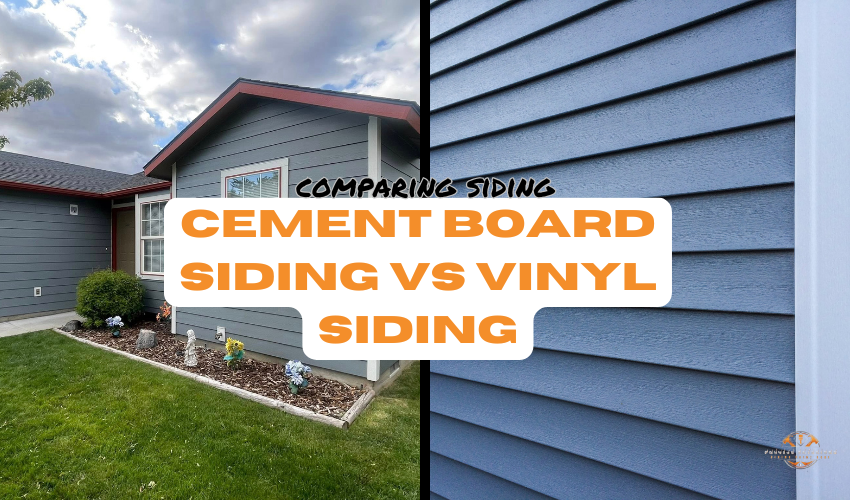
Which is better, cement board siding or vinyl siding? That is a question we often ask here at Precise Exteriors of Boise, Nampa, and the Treasure Valley! Cement siding vs vinyl siding is a common question for you as a homeowner!
Let’s dive in on this!
If you’ve spent any time on TikTok home-reno videos, you’ve probably seen people arguing about siding like it’s a playoff rivalry. Vinyl loyalists say it’s affordable and easy, easier to maintain (except for wind). Cement board fans call it the long-term winner, and while it costs more up front, most people like the look of cement board (the most popular cement board is James Hardie).
The truth as to which is better, cement board siding or vinyl siding, is less dramatic but more useful. Each siding type has strengths depending on factors such as climate, home style, and how long you plan to stay.
Let’s break it down clearly so you can choose what actually fits your house and your life.
What Cement Board Siding Is And Why People Choose It
*Please note we will use cement board siding and Hardie board interchangeably, similar to how people will say Gooel it instead of serah it, most people refer to cement siding as Hardie board!
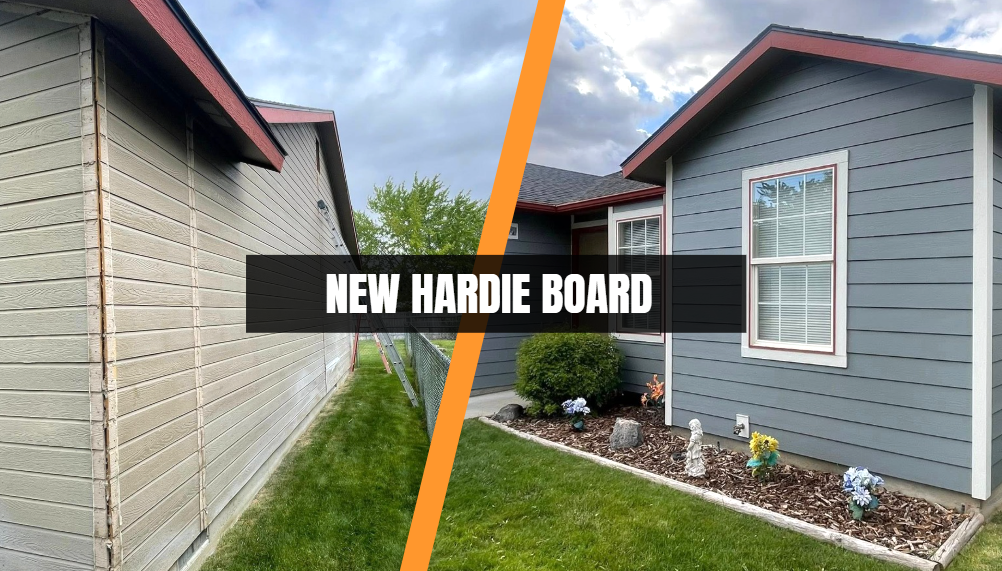
Cement board siding, often called fiber cement siding, is made from cement, sand, and cellulose fibers pressed into durable planks. It’s designed to mimic the look of real wood siding, but without the same vulnerability to rot or heavy expansion from moisture. A common term is Hardie Board because they are the leading manufacturer of cement board siding!
Homeowners in Boise or Nampa choose it because it holds shape, even through hot summers, seasonal storms, and daily sun exposure. The finish has depth, the texture feels natural, and it works on both modern and traditional homes.
Cement board siding is a strong fit for homeowners who:
- Want long-lasting curb appeal
- Prefer a solid, sturdy exterior rather than a hollow panel look
- Expect their siding to handle weather shifts without warping
- Plan to stay in their home long enough to value longevity
The trade-off is that cement board siding is heavier and more expensive to install, but many homeowners in the Treasure Valley see it as paying once for something that lasts.
What Vinyl Siding Is And Why It’s Still So Popular
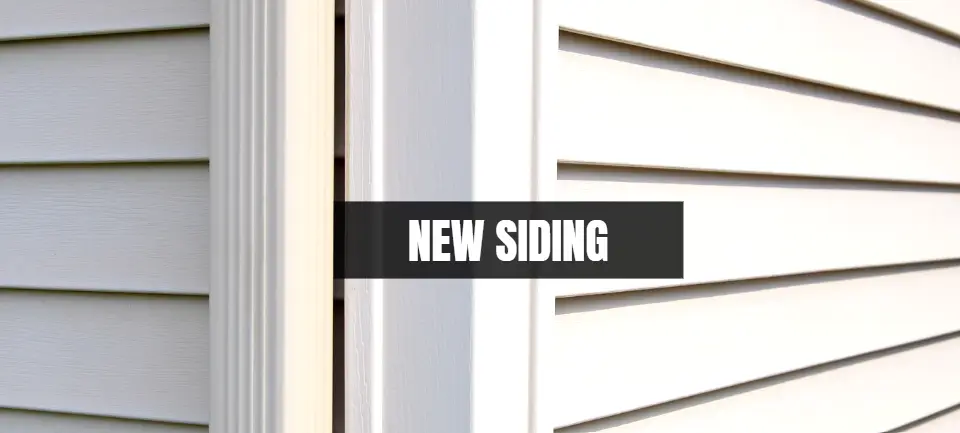
What is vinly siding? Is it better than Hardie board?
Vinyl siding is made from polyvinyl chloride, which makes it lightweight, flexible, and moisture-resistant. It became popular because it gives homeowners a way to refresh a home’s exterior without repainting every few years. It comes in many styles and colors, and most of the time, it simply needs an occasional wash to stay presentable. For many families, vinyl siding is the easy button for home exteriors.
Vinyl siding is well-suited for homeowners who:
- Want an affordable siding choice
- Prefer low-maintenance materials
- Are renovating rental properties or preparing a home for resale
- Like a consistent, uniform exterior appearance
It does not mimic wood grain as convincingly as cement board siding, and dark colors can heat up and fade faster in strong sun. But for the homeowner who wants a clean look with minimal upkeep, vinyl remains the go-to option.
Cement Board vs Vinyl: Key Differences To Consider
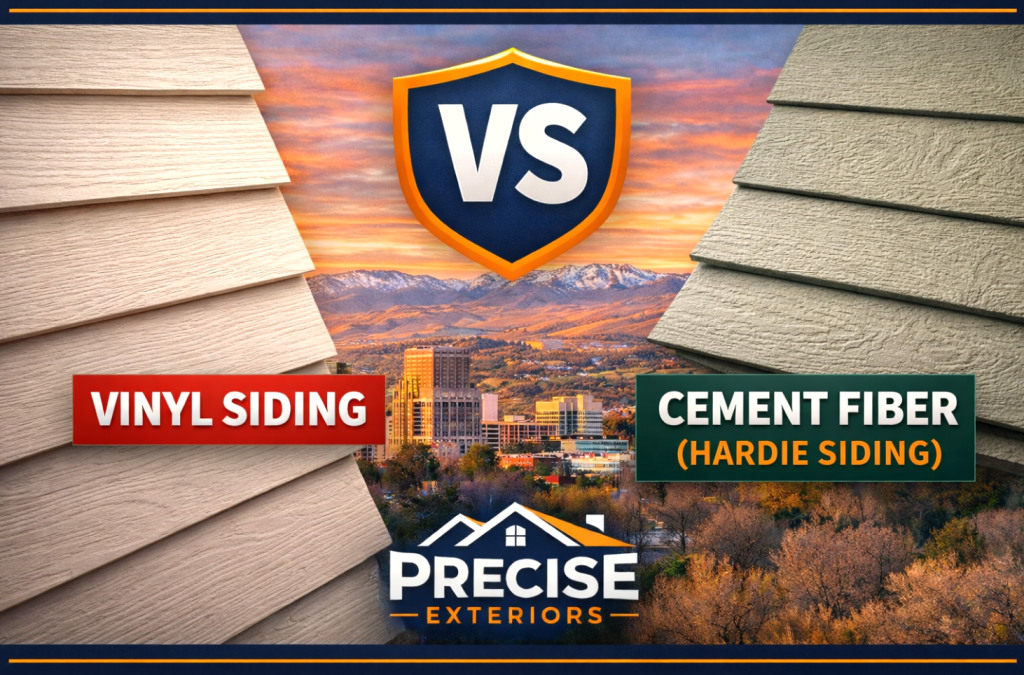
The best siding choice depends on what you value most: appearance, durability, budget, or maintenance. Both siding types can look good and protect your home, but they behave differently over time. Here’s what actually matters to compare.
Appearance and Curb Appeal
Cement board siding has more depth and texture. It looks closer to real painted wood, even up close, which gives a home a more polished architectural feel.
Vinyl siding can look clean and uniform, but up close, it often has a flatter, molded appearance. Higher-end vinyl looks better, but still doesn’t match the natural profile of fiber cement.
Choose cement board if:
- You want a “custom home” exterior feel. Choose vinyl if:
- You’re happy with a clean, simple, uniform look
Weather and Moisture Resistance
Cement board is highly resistant to moisture and does not warp or swell. It performs well in rainy, humid, or coastal environments with seasonal temperature swings.
Vinyl does not absorb water, but it can expand, contract, or warp in very hot weather, or crack in extreme cold. Wind can sometimes lift or loosen panels if installation isn’t secure.
Durability and Lifespan
Cement board siding is known for long-term stability. With proper paint cycles, it can last 30 to 50 years. Vinyl siding typically lasts 20 to 30 years, depending on climate and whether it is cleaned and maintained.
Maintenance Requirements
Cement board siding must be repainted every 10–12 years, or sooner in high-sun areas. Caulking should be checked periodically.
Vinyl siding does not need repainting, but it does need occasional washing to remove dirt, pollen, and mildew. If you prefer a “hands-off” exterior, vinyl wins. If you enjoy refreshing your home’s look occasionally, cement board works well.
Which Material Works Better for Different Home Situations
Here is a simple, at-a-glance comparison to help match siding to lifestyle, climate, and long-term plans:
| Home Situation | Better Choice | Why |
|---|---|---|
| Tight budgets or rental properties | Vinyl Siding | Lower upfront cost, easy to clean, looks consistent even without repainting |
| Long-term ownership or higher curb appeal goals | Cement Board Siding | Strong visual presence, lasting durability, holds paint well for long-term style control |
| Humid or rain-heavy climates | Cement Board Siding | Resists swelling, warping, and moisture-related damage more effectively |
| Homeowners who want the lowest maintenance workload | Vinyl Siding | No repainting required, quick to rinse clean, minimal upkeep |
Best for Tight Budgets or Rental Properties
Vinyl siding fits when the goal is affordability and predictable upkeep. It installs quickly, stays presentable with little effort, and replacement panels are easy to source. It keeps renovation costs practical while still providing a clean exterior.
Best for Long-Term Ownership or High-Curb-Appeal Neighborhoods
Cement board siding rewards patience and commitment. It looks more like real wood, holds color depth, and improves a home’s presence. If you plan to stay or care about appraisal value, this is the long-game material.
Best for Homes in Humid or Rain-Heavy Climates
Cement board stands strong where moisture is the main enemy. It doesn’t warp or buckle when temperatures swing or storms roll through. Vinyl performs decently, but extended humidity can make imperfections stand out over time.
Best for Homeowners Who Want Low Maintenance
Vinyl siding keeps life simple. No repainting cycles. No scraping. Just rinse when dusty. Perfect for homeowners who want things to “just work” without thinking about upkeep schedules.
Siding Cost: Upfront vs Long-Term
Vinyl siding generally has the lowest upfront cost. Cement board siding costs more to purchase and install, but often has fewer replacement cycles, making it more cost-efficient over time.
Ask yourself: Are you choosing for today’s budget or the next 20 years?
Which Siding Fits You? Use This Tool to Help:
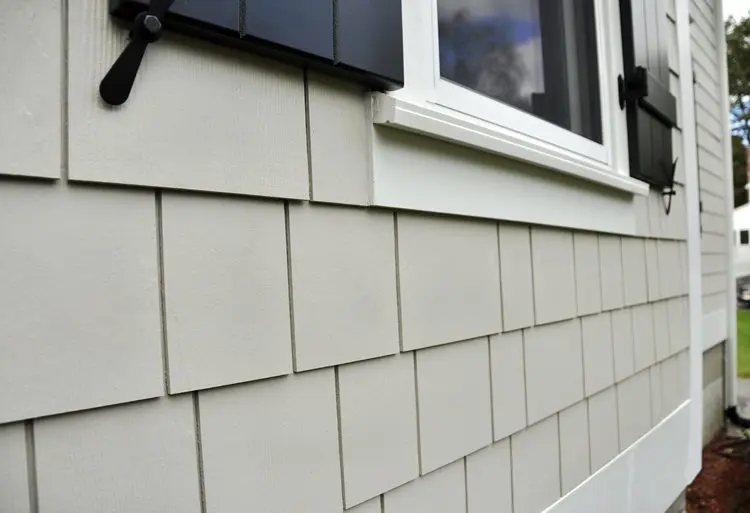
Choosing between vinyl siding and cement board siding (often called fiber cement) comes down to how long you plan to stay in your home, your budget, and how much you value long-term curb appeal, especially here in the Treasure Valley.
With hot summers, UV exposure, and winter moisture all taking a toll on exterior materials, your priority is the lowest upfront cost, minimal maintenance, and a quick exterior refresh. Vinyl siding is the clear winner. It’s a practical choice for homeowners who may move within the next 10 years or simply want a clean, consistent look without ongoing upkeep.
On the other hand, if you’re planning to stay in your home long-term and want a more natural, wood-like appearance that holds up against Idaho’s temperature swings, wind, and sun exposure, cement board siding is the better investment, provided you’re willing to repaint it every 8–12 years to maintain its performance and appearance. Ultimately, in our opinion here at Precise Exteriors, vinyl is about convenience and affordability today, while cement board is about durability, protection, and pride in your home’s appearance for decades to come.
Cement Board vs. Vinyl Siding (Treasure Valley Comparison)
| Feature | Vinyl Siding | Cement Board Siding |
|---|---|---|
| Upfront Cost | Lower (budget-friendly) | Higher (premium investment) |
| Lifespan | 20–30 years | 30–50+ years |
| Maintenance | Very low (no painting) | Moderate (repaint every 8–12 years) |
| Curb Appeal | Simple, consistent look | High-end, wood-like appearance |
| Durability (Idaho Climate) | Good, but can warp in heat | Excellent—handles heat, cold, and moisture well |
| Weather Resistance | Resists moisture, may crack in cold | Strong against wind, storms, and temperature swings |
| Best For | Short-term ownership, rentals, quick upgrades | Long-term homeowners focused on value and aesthetics |
Quick Siding Decision Guide
To make the choice between cement board siding and vinyl easy, you can look at these factors:
- Choose Vinyl Siding if you want:
- Lower upfront cost
- Very low maintenance
- A fast, affordable exterior upgrade
- Choose Cement Board Siding if you want:
- Long-term durability in Idaho’s climate
- A more premium, natural appearance
- Strong protection and long-term home value
Cement Board Siding & Vinyl Installation Considerations
No matter which siding you choose, the installation plays a bigger role in long-term performance than most homeowners realize. The same material can last 30 years on one house and fail in 7 on another simply because of how it was installed.
This is especially true for cement board siding, which needs precise spacing, joint sealing, and flashing to prevent moisture intrusion. Vinyl siding, on the other hand, must be installed with sufficient flexibility, since it expands and contracts with temperature changes. If it’s nailed too tightly, it can crack or warp. If it’s too loose, wind can lift panels.
A good siding installer in Boise will:
- Use proper flashing and weather barriers, not just the bare wall behind the siding.
- Leave the correct expansion gap at the ends of cement board and vinyl panels.
- Seal joints and trim intersections so water sheds downward and away.
- Understand how local humidity, shade, and roof runoff affect siding wear.
Think of siding installation as a system, not just something that gets nailed up. The goal is not only to make the house look good on day one, but to make sure it stays that way through sun, storms, and everyday weather.
Siding & Environmental Sustainability
Both vinyl and cement board have distinct environmental considerations, and understanding them can help you make a decision that aligns with your values.
Cement board siding is made with wood fibers and cement, which gives it a long lifespan and reduces the need for frequent replacement. Its durability means less waste over time, and repainting allows you to refresh its look without removing panels. However, the manufacturing process does involve more energy and material weight.
Vinyl siding, made from polyvinyl chloride, has a much lower manufacturing cost and is lightweight to transport. Its main sustainability advantage is that it does not require repainting. The tradeoff is that it is made from petroleum-based materials, and while vinyl can be recycled, many communities do not have convenient recycling programs for it.
A simple way to think about sustainability when it comes to siding is:
- Choose cement board if you prefer durability and long-term material stability.
- Choose vinyl if you prioritize low ongoing maintenance and reduced repainting.
Final word on types of siding:
Think about what you value more: appearance or simplicity. To keep it simple, Hardie board, aka cement board siding, delivers a richer look and long-term durability. Vinyl siding delivers an easier life and is nicer on the wallet. Your answer points directly to the right choice for your home!
Luckily, the team here at Precise Exteriors is ready to help you with whatever home improvement you might need! Simply reach out to Daniel and the team below!
FAQ: Cement Board vs. Vinyl Siding (Treasure Valley Homeowners)
1. Which siding is better for Idaho’s weather conditions?
Cement board siding generally performs better in the Treasure Valley climate because it resists heat, cold, moisture, and wind without warping or cracking. Vinyl siding still holds up well, but extreme temperature swings and strong sun exposure can cause expansion, fading, or brittleness over time.
2. Is vinyl siding really lower maintenance than cement board?
Yes, vinyl siding is the lower-maintenance option since it never needs repainting and only requires occasional cleaning. Cement board siding requires repainting every 8 to 12 years and periodic caulking checks, but many homeowners accept this for its long-term durability and appearance.
3. Which siding adds more value and curb appeal to my home?
Cement board siding typically offers greater long-term value due to its natural, wood-like appearance and durability. It creates a higher-end look that appeals to buyers and holds up better over decades, while vinyl offers a clean but more basic, uniform appearance.
4. Should I choose based on cost or long-term investment?
If your priority is a lower upfront cost or a shorter stay in your home, vinyl siding is the smarter choice. If you plan to stay long-term and want stronger durability and curb appeal, cement board siding is usually the better investment despite the higher initial cost.