Do you have questions about siding? FAQ siding questions we get in the Treasure Valley are important. Here is why!
Siding problems cost American homeowners roughly $1 billion every year, and much of that spending is preventable. Small cracks, moisture intrusion, and aging materials often go unchecked until full replacement becomes unavoidable. Knowing when to repair and when to replace changes the outcome. These common siding questions explain how to spot issues early.
What Is Home Siding and Why Is It So Important?
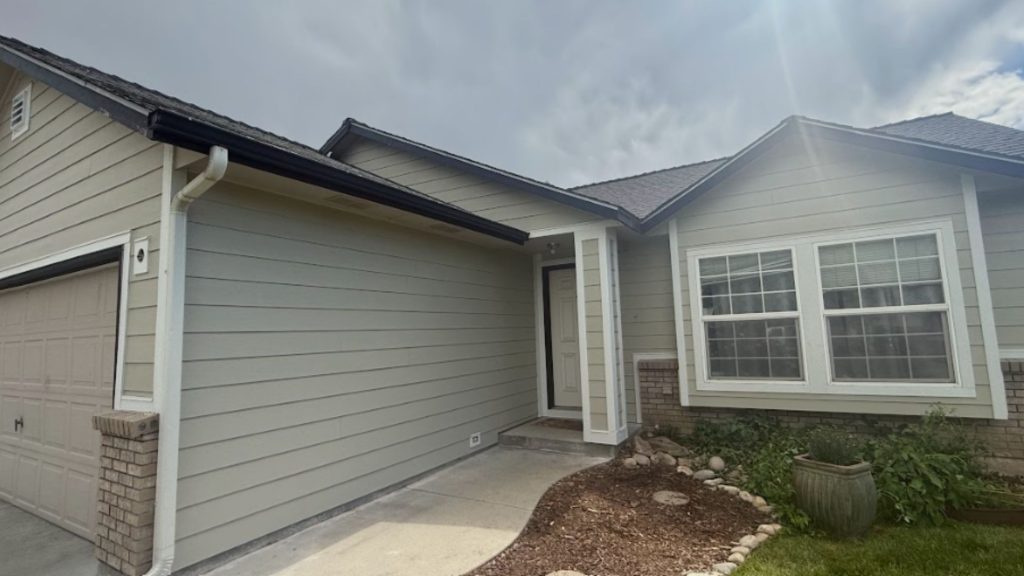
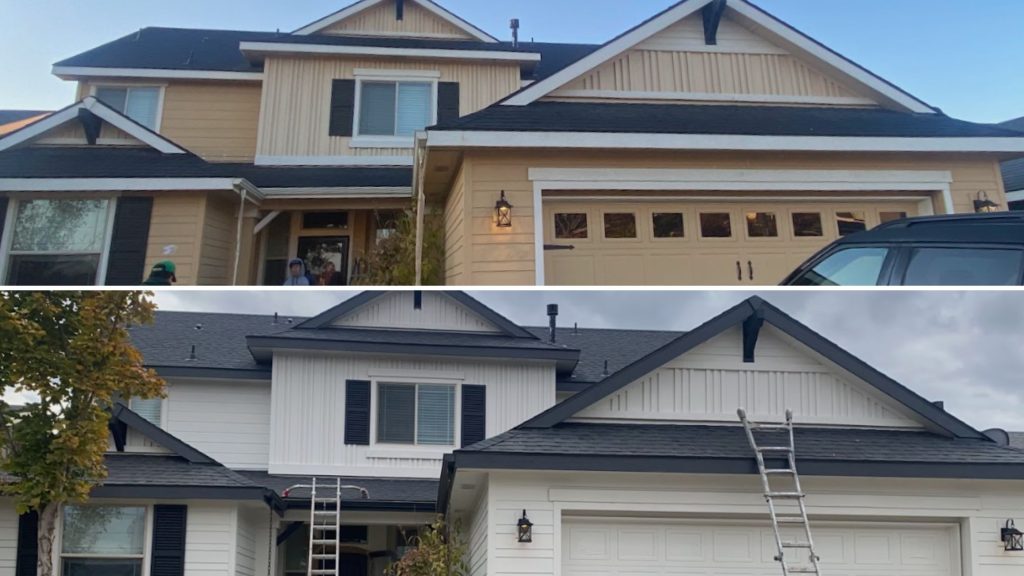
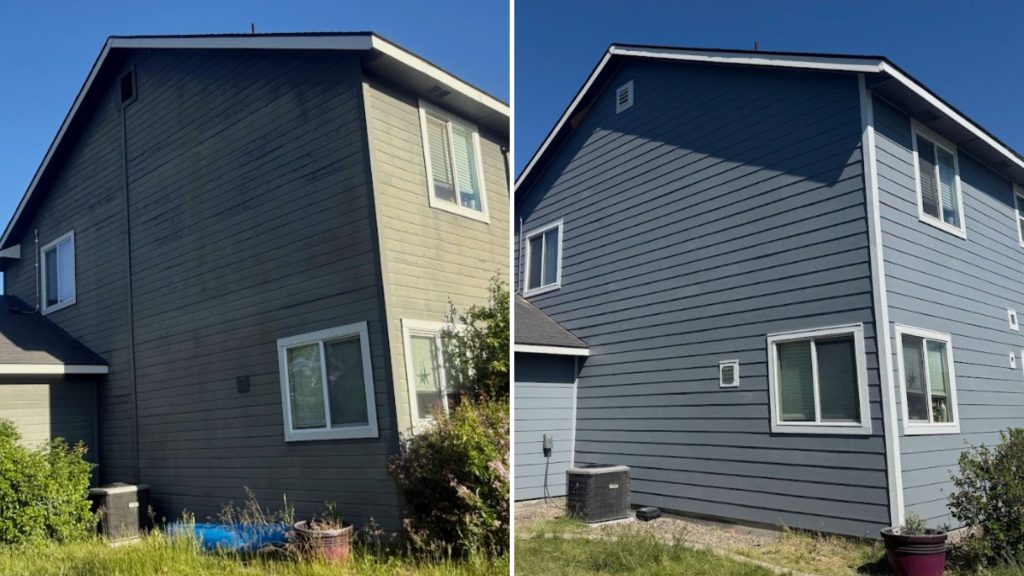
Ask yourself one simple question. What stands between your home and heat, rain, wind, and pests every single day? The answer is your siding. It does far more than make your house look finished.
Here are three reasons siding matters more than most homeowners realize.
- Protection from weather and moisture, Siding shields your home’s structure from rain, humidity, and storm-driven debris. When siding fails, moisture reaches the framing, leading to rot, mold, and costly structural repairs.
- Energy efficiency and indoor comfort. Properly installed siding helps regulate indoor temperatures. It reduces air leaks and supports insulation, lowering heating and cooling costs throughout the year.
- Curb appeal and property value. Siding is one of the first things people notice. Clean, well-maintained siding boosts resale value and signals that the home has been cared for over time.
Before breaking it down, it helps to see siding as a working system, not just an exterior layer that protects your home in the Treasure Valley!
When Should You Repair Siding Instead of Replacing It?
In certain situations, a targeted repair can restore protection and appearance without the cost of a full replacement. These scenarios usually point toward repair as the smarter option.
Here’s when repair often makes sense:
- Damage is limited to a small area, such as a few cracked or loose panels.
- The siding is relatively new and still within its expected lifespan.
- Moisture damage has not reached the underlying sheathing or framing.
- A single event, like a fallen branch or minor storm impact, caused issues.
- The siding material is still available and can be matched closely in color and profile.
A professional inspection helps confirm whether repairs will truly solve the problem or only delay a larger issue. When you are looking for the best siding company in the Treasure Valley, be sure to always reach out to us first!
What Are the Most Common Signs You Need New Siding?
Some warning signs are subtle. Others are easy to spot once you know what to look for. If several of these appear at the same time, replacement is often more cost-effective than repeated repairs.
| Common Sign | What It Usually Means |
|---|---|
| Warping or buckling panels | Moisture has penetrated behind the siding |
| Frequent need for repainting | Siding has lost its protective surface |
| Cracks or large gaps | Material is aging or failing structurally |
| Mold, mildew, or algae growth | Trapped moisture and poor ventilation |
| High energy bills | Siding is no longer insulating properly |
| Rot or soft spots | Water damage has reached underlying layers |
What Types of Siding Materials Are Available for Homes Today?
Many homes fall into a short list of proven materials, each with clear strengths and tradeoffs. Here is a straightforward breakdown that makes comparison easier.
- Vinyl Siding Vinyl is popular because it balances cost and performance. It resists moisture, does not attract insects, and requires very little maintenance. Many homeowners choose vinyl for its wide color options and dependable lifespan.
- Fiber Cement Siding Fiber cement is built for durability. It holds up well against fire, rot, pests, and extreme weather. This material works best for homeowners who want long-term reliability and a more solid, upscale appearance.
- Wood siding delivers a natural, classic look that many homeowners still prefer. It can be painted or stained to match changing styles. Regular maintenance is essential to protect against moisture and insect damage.
- Engineered Wood Siding Engineered wood offers the appearance of traditional wood with added strength. It is treated to resist moisture and pests better than natural wood. This option appeals to homeowners who want aesthetics without the same level of upkeep.
- Metal Siding Metal siding, usually aluminum or steel, is known for its strength and low maintenance. It resists fire, insects, and rot. Metal works well in areas exposed to strong winds and heavy rain, though dents can occur from impact.
How Long Does Different Siding Last?
Siding lifespan depends on material quality, installation, and ongoing maintenance. Climate also plays a significant role, especially in areas with heat, humidity, or storms.
| Siding Material | Average Lifespan |
|---|---|
| Vinyl | 20 to 40 years |
| Fiber Cement | 40 to 50 years |
| Wood | 20 to 30 years |
| Engineered Wood | 25 to 40 years |
| Metal | 40 to 50 years |
Routine inspections and prompt siding repairs can extend these ranges, while poor installation or neglect can significantly shorten them. We offer painting services here at Precise Exteriors Idaho that can help extend the lifespan of your engineered and fiber-cement siding!
How Much Does Siding Repair or Replacement Cost?
The difference between repair and replacement often comes down to scale and long-term value. Repairs typically cost less upfront and work best when damage is limited. Replacing a few panels or fixing localized moisture damage can restore protection without major disruption.
Siding replacement costs more initially but delivers broader benefits such as durability, curb appeal, and more.
New siding improves energy efficiency, refreshes appearance, and eliminates hidden issues behind the walls. It also reduces ongoing maintenance and the risk of repeated repair expenses.
Homeowners spend less over time by replacing failing siding rather than paying for multiple repairs. A professional evaluation helps determine which option provides the best return for your specific situation.
Is New Siding Worth the Investment?
Absolutely! New siding often pays for itself in ways homeowners do not immediately see. Beyond improving appearance, it strengthens your home’s exterior protection and helps regulate indoor temperatures.
Many homeowners notice lower energy bills after replacing failing siding because air leaks and moisture gaps are eliminated. New siding also reduces maintenance demands and can increase resale value, making it a practical upgrade rather than just a cosmetic one.
How Long Does Siding Installation Take?
Siding installation timelines depend on the size of the home and the scope of work. Most full siding replacements take between one and two weeks from start to finish. Smaller homes or partial replacements can be completed sooner, while larger or more complex structures may take longer.
Weather conditions, material availability, and necessary repairs beneath the old siding can also affect the schedule. A clear project plan from your contractor helps set accurate expectations.
Do You Need Permits to Replace Siding?
In many areas, permits are required for siding replacement, especially when structural changes or insulation upgrades are involved in your roof. Permits ensure the work meets local building codes and safety standards.
Professional siding contractors typically handle the permitting process, including inspections, so homeowners do not have to manage the paperwork. This step protects your investment and helps avoid issues during future home sales.
How Do You Choose the Right Siding Contractor?
Ever notice how everyone suddenly becomes a “siding expert” after watching a few online videos? Choosing a contractor works the same way. Plenty will talk confidently, but only a few actually know what they’re doing. The right siding contractor doesn’t rely on charm. They rely on process, proof, and consistency.
Start by checking licensing and insurance. This protects you if something goes wrong and confirms the contractor meets local requirements. Next, look for experience with your specific siding material. Vinyl, fiber cement, and wood each require different installation techniques. Ask for recent local projects and examples of completed work.
Pay attention to how the contractor communicates. A reliable professional explains options clearly, answers questions directly, and doesn’t rush decisions. They should inspect your home thoroughly before quoting and explain what they see behind the siding, not just what’s visible.
A few key things to remember:
- Written estimates matter more than verbal promises.
- Warranties should cover both materials and workmanship.
- A contractor who avoids permits or inspections is cutting corners.
If the process feels organized and transparent, that’s usually a good sign you’re in capable hands. They examine the entire exterior, explain findings clearly, and recommend solutions without pressure.
What Questions Should You Ask a Siding Contractor Before Hiring?
1. Are you licensed and insured? This confirms the contractor meets legal standards and protects you from liability during the project.
2. What siding materials do you recommend for my home and why? A knowledgeable contractor explains pros and cons based on climate, structure, and budget, not just preference.
3. What does your estimate include? This prevents surprise costs. You should know if removal, disposal, repairs, and cleanup are included.
4. How long will the project take? Clear timelines show planning and help you understand what to expect day by day.
5. Do you handle permits and inspections? Experienced contractors manage this for you and ensure work meets local codes.
6. What warranties come with the materials and installation? This protects your investment long after the work is complete.
7. How do you protect the home during installation?
This reveals attention to detail, including moisture protection, landscaping care, and daily cleanup.
Strong answers to these questions signal professionalism. Vague or rushed responses often signal future problems.
The Final Word on Siding Questions
If you’re already upgrading your siding, why stop there? Coordinating siding, windows, and renovation work at the same time often saves money and avoids future disruptions. Trusted vinyl siding contractors (LIKE US)can help you see the bigger picture.
Reach out today to the expert team here at Precise Exteriors Treasure Valley, Idaho to explore options that work together, not against each other.