When it comes to your home’s exterior, its siding is important. In fact, if you want to know how long siding lasts, you are ahead of most homeowners in the Treasure Valley!
Siding is vital for keeping your home dry, but it also helps protect it from Mother Nature while adding curb appeal! Today, the team here at Precise Exteriors will guide you through how long siding lasts based on the full four-season climate of Boise, as well as which siding materials last the longest!
If you ever need any help with your home’s siding or exterior painting, just reach out below!
How Long Does Siding Last in Idaho’s Four-Season Climate
Manufacturers love a clean number. Forty years. Fifty years. A tidy promise printed right on the packaging. Idaho’s weather, unfortunately, didn’t read the fine print. Four real seasons, real temperature swings, and real wind have their own opinion about how long your siding lasts, and it doesn’t always match the brochure. Ready for the version of this story that actually applies to your house? Read on!
How Long Does Siding Last?
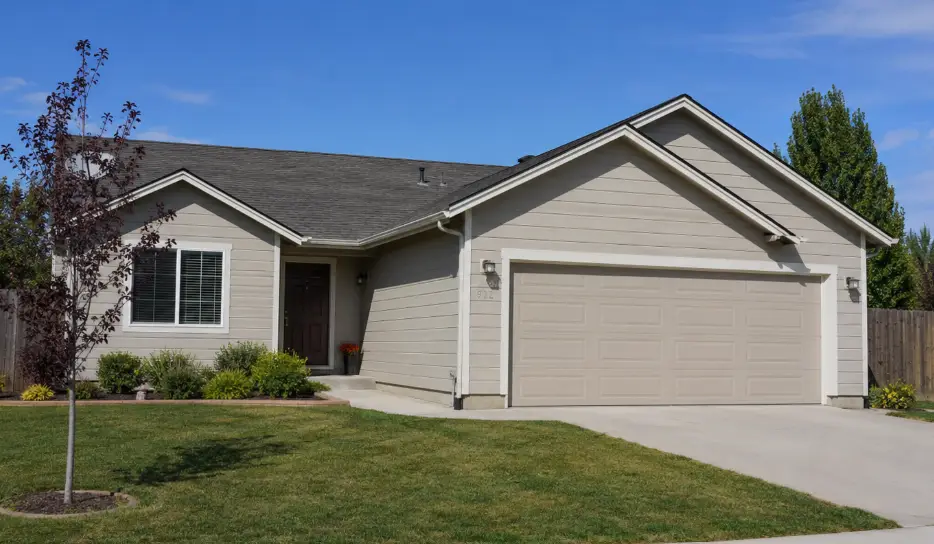
There isn’t a clean, one-word answer to this, and that’s worth saying upfront instead of pretending otherwise. Most siding materials are rated to last somewhere between 25 and 50 years, and that range reflects real variation between materials, climates, and the people who installed it.
Here’s the quick breakdown before going deeper:
| Material | Manufacturer Lifespan |
|---|---|
| Vinyl Siding | 25 to 40 years |
| Fiber Cement Siding | 40 to 50 years |
| Wood Siding | 30 to 40 years (with upkeep) |
| Metal/Composite Siding | 30 to 50 years |
That warranty number assumes ideal conditions: a flawless install, mild weather, and a home that never deals with anything more dramatic than light rain. Idaho rarely cooperates with that. While the chart above is a solid starting point, it’s not the finish line. What actually determines your siding’s lifespan is a mix of material, installation quality, maintenance, and what your specific climate decides to throw at it, which is exactly what’s covered next.
What Idaho’s Climate Does to Siding Over Time
The Treasure Valley doesn’t really do “mild.” Homeowners here deal with scorching summers, biting winters, and a spring that can’t seem to decide if it wants to rain or hail, sometimes within the same afternoon. Siding absorbs all of it, year after year, whether anyone’s paying attention or not.
Here’s what’s actually happening behind the scenes:
- Summer heat and UV exposure break down pigment and material flexibility over time, which is why siding installed in full sun often fades or becomes brittle years before its shaded counterpart.
- Freeze-thaw cycling in winter causes materials to expand and contract repeatedly, slowly loosening seams, caulking, and fasteners that were perfectly snug the day they were installed.
- Rain and extreme weather find every weak point in a siding system, especially around trim, corners, and older installations that weren’t sealed with today’s standards in mind.
- Snow load adds physical stress to siding and the structures behind it, particularly on north-facing walls that hold onto moisture longer than the rest of the house.
None of this means siding is doomed in this climate. It just means the Treasure Valley plays a much bigger role in lifespan than the warranty label lets on, which matters before assuming siding is invincible just because it looks fine right now.
Siding Lifespan by Material
Material matters, but not in the simple pick-the-toughest-one-and-forget-about-it way most homeowners assume. Vinyl siding, fiber cement siding, wood siding, and metal options each handle durability, maintenance, and energy efficiency differently, and the right choice depends on budget, climate exposure, and how much upkeep someone actually wants to commit to.
Here’s the practical breakdown:
| Material | Lifespan | Maintenance Level |
|---|---|---|
| Vinyl Siding | 25 to 40 years | Low, occasional cleaning |
| Fiber Cement Siding | 40 to 50 years | Low, repaint every 10 to 15 years |
| Wood Siding | 30 to 40 years | High, routine painting or staining |
| Metal/Composite Siding | 30 to 50 years | Very low, rarely needs attention |
The material someone picks should match how they actually want to live with their home, not just which number on the chart looks biggest. Here’s a closer look at each.
Vinyl Siding Lifespan
Vinyl siding typically runs 25 to 40 years, and it’s earned its reputation as the budget-friendly default for a reason. It doesn’t rot, it sheds rain well, and beyond an occasional wash, it asks almost nothing of a homeowner. The catch is that vinyl’s lifespan leans heavily on installation quality.
A properly installed panel system with correct expansion gaps will comfortably hit the upper end of that range, while a rushed install can leave panels warping, cracking, or pulling loose years ahead of schedule, especially once freeze-thaw cycling gets involved. Vinyl also handles direct sun less gracefully than fiber cement, with prolonged UV exposure gradually fading color and making the material more brittle over time.
Fiber Cement Siding Lifespan
Fiber cement siding sits at the top of the range, typically lasting 40 to 50 years, and it’s a common upgrade for homeowners who want to stop thinking about siding altogether. James Hardie products dominate this category for good reason. The material resists rot, won’t warp under heat, and shrugs off moisture in a way wood simply can’t.
It does need repainting roughly every 10 to 15 years to maintain both appearance and weather resistance, but that’s a far lighter maintenance load than wood demands. In climates with real freeze-thaw cycles and unpredictable rain, fiber cement tends to be the material that ages the most gracefully, holding its shape and finish long after cheaper options have started showing wear.
Wood Siding Lifespan
Wood siding can last 30 to 40 years, but that number comes with a bigger asterisk than the others on this list. Wood’s lifespan is almost entirely a function of how consistently it’s maintained. Skip a few rounds of painting or staining, and rot, insect damage, and moisture intrusion can cut that timeline down dramatically.
Done right, with regular sealing and prompt repairs whenever damage shows up, wood can absolutely hit its full range and offers a warmth and character other materials can’t quite replicate. It’s simply the highest-commitment option on this list, better suited to homeowners who genuinely enjoy exterior upkeep than those looking to set it and forget it.
Metal and Composite Siding Lifespan
Metal and composite siding, including aluminum and steel options, typically lasts 30 to 50 years and asks for almost nothing in return. These materials resist rot, pests, and fire outright, and they hold up well against the kind of temperature swings that stress other siding types. Aluminum specifically tends to be the lowest-maintenance choice on this entire list, rarely needing more than an occasional rinse. The tradeoff is mostly aesthetic.
Metal and composite options offer fewer style variations than vinyl or fiber cement, and dents from hail or impact, while uncommon, are harder to repair invisibly than cracks in other materials. For homeowners prioritizing durability and energy efficiency over design flexibility, it’s a strong long-term option.
Why the Siding Installation Quality Matters More Than the Material Spec
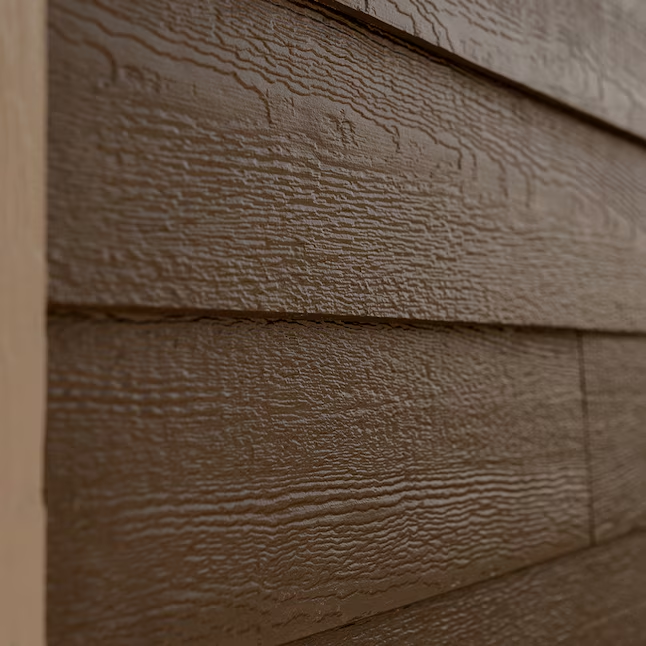
The spec sheet on any siding product assumes the install was done correctly. Expansion gaps sized properly so panels can move through temperature swings without warping. Flashing installed at every window, door, and roofline intersection so water has nowhere to sneak in. Caulking applied where it belongs and left out where it doesn’t, because over-caulking certain joints actually traps moisture rather than blocking it.
A fiber cement panel rated for 50 years that was installed with incorrect fasteners or missed flashing is not a 50-year product anymore. The material spec matters. The person putting it up matters more.
8 Signs You Need New Siding
Siding rarely fails all at once. It gives signals first, and knowing what to look for saves homeowners from the kind of damage that turns a siding project into a structural one.
Here’s what to watch for:
Siding rarely fails all at once. It gives signals first, and knowing what to look for can prevent a basic siding problem from turning into expensive structural damage.
1. Warping or Buckling Siding Panels
Siding that is pulling away from the wall, bending outward, or developing visible waves is more than a cosmetic issue. Warping and buckling often mean the panels were installed too tightly, have been damaged by temperature changes, or are allowing moisture to get behind the siding.
2. Soft Spots Beneath the Surface
Siding should feel firm when you press on it. If an area feels soft, spongy, or gives under light pressure, there may be rot or moisture damage in the sheathing or wall structure underneath. Soft spots should be inspected quickly before the damage spreads.
3. Uneven or Excessive Fading
Some fading is normal after years of exposure to Treasure Valley sunlight. However, patchy color, severe fading, or sections that no longer match can indicate that the siding material is breaking down. Once the surface loses its ability to hold color, it may also be losing some of its weather protection.
4. Rising Heating and Cooling Bills
Damaged or aging siding can weaken your home’s exterior envelope and allow more outdoor air to enter. If your heating and cooling costs are climbing without another clear explanation, gaps, loose panels, or deteriorated siding may be reducing your home’s energy efficiency.
5. Interior Water Stains or Moisture
Water stains, bubbling paint, or damp areas on interior walls can point to a siding or flashing failure outside. By the time moisture becomes visible indoors, it may have already passed through the siding and wall system. This warning sign should be addressed as soon as possible.
6. Paint That Keeps Peeling or Blistering
Paint that peels, bubbles, or chips again shortly after repainting is often reacting to moisture trapped behind the siding. The problem may not be the paint itself. Repeated paint failure can indicate that water is entering through damaged siding, failed seams, or improperly sealed transitions.
7. Visible Cracks, Holes, or Gaps
Even small cracks or openings can allow water, insects, and outside air into the wall system. Caulk or patching may temporarily cover minor damage, but widespread cracking or recurring gaps often mean the siding has reached the point where replacement is the better long-term solution.
8. Recurring Mold, Mildew, or Fungal Growth
Mold or mildew that repeatedly returns after cleaning may indicate moisture trapped behind the siding. Pay particular attention to growth near seams, corners, windows, and the foundation. Persistent fungal growth usually requires more than surface cleaning and should be professionally inspected.
When to Replace Siding
Age alone is a reasonable starting point. Vinyl siding past 30 years, wood siding without consistent maintenance, or fiber cement that’s been through multiple paint cycles without proper prep are all worth a professional look, even if nothing obvious is wrong yet.
Storm damage is its own category. Hail can compromise siding in ways that aren’t immediately visible but affect moisture resistance right away. After any significant weather event in the Treasure Valley, a physical inspection is worth doing before assuming everything held up.
The strongest case for replacement is when repair costs keep stacking without actually solving anything. Patching one section, then another, then chasing interior moisture that keeps tracing back to the exterior usually costs more over three years than a full replacement would have upfront.
How Often Should You Replace Home Siding?
For most Idaho homeowners, full siding replacement is a once-or-twice-in-a-lifetime project, not a recurring event on the home maintenance calendar. A properly installed fiber cement or premium vinyl system should carry a home 30 to 50 years without starting over. Wood siding gets there too, but only if it’s been maintained honestly along the way.
The exception is builder-grade siding from the 1990s and early 2000s. Thin vinyl, minimal underlayment, and installation shortcuts that were standard practice then have a way of catching up with homeowners right about now.
Get a Straight Answer About Your Siding
Siding questions rarely have a simple answer, but they always have an honest one. We’ll come out, take a real look at your home, and tell you exactly what we see, whether that’s good news, a repair, or a full replacement conversation. No pressure, no upselling, no vague estimates that leave you more confused than when you called.
If your siding has been on your mind, that’s usually a sign it’s worth a look. Give us a call and let’s figure it out together before Idaho’s next season decides to do it for you.
Frequently Asked Questions About Siding Lifespan in Idaho
1. How long does siding typically last in Idaho?
Most siding lasts between 25 and 50 years, depending on the material, installation quality, maintenance, and exposure to Idaho weather. Vinyl siding commonly lasts 25 to 40 years, fiber cement 40 to 50 years, wood 30 to 40 years with regular upkeep, and metal or composite siding around 30 to 50 years.
2. What type of siding lasts the longest in the Treasure Valley?
Fiber cement siding is one of the longest-lasting options for Treasure Valley homes. It typically lasts 40 to 50 years and performs well through strong UV exposure, freezing temperatures, moisture, and seasonal temperature swings. Premium metal and composite siding can also reach the upper end of that range.
3. Does Idaho weather shorten the life of siding?
Yes. Treasure Valley siding is repeatedly exposed to summer heat, UV radiation, winter freeze-thaw cycles, wind, rain, hail, and snow. These conditions can fade finishes, loosen seams and fasteners, create cracks, and expose weaknesses around windows, trim, and roofline transitions.
4. How can I tell whether my siding needs repair or replacement?
Warning signs include warped or buckled panels, soft spots, cracks, recurring mold, interior water stains, persistent paint failure, unexplained energy bill increases, and siding that pulls away from the wall. Isolated damage may be repairable, but widespread deterioration or repeated moisture problems usually point toward replacement.
5. Can proper installation make siding last longer?
Absolutely. Correct fastening, flashing, expansion gaps, clearances, and water-management details can add years to a siding system’s life. Even a premium 50-year siding product can fail early if it is installed too tightly, flashed incorrectly, or left vulnerable to trapped moisture.