What are the pros and cons of hardboard siding on your home? Fiber cement siding boards are extremely durable and offer tons of upside compared to
Siding is one of those home features that instantly sets the tone. Hardboard siding offers that classic, painted-wood look that never feels out of place. It can elevate a simple home design and bring warmth to modern architecture. But the look also comes with upkeep.
Hardboard siding is not the set-and-forget option that some homeowners hope for. If you’re considering it, let’s go over what it does well and where it needs more attention.
What Hardboard Siding Actually Is (And How It’s Made Today)
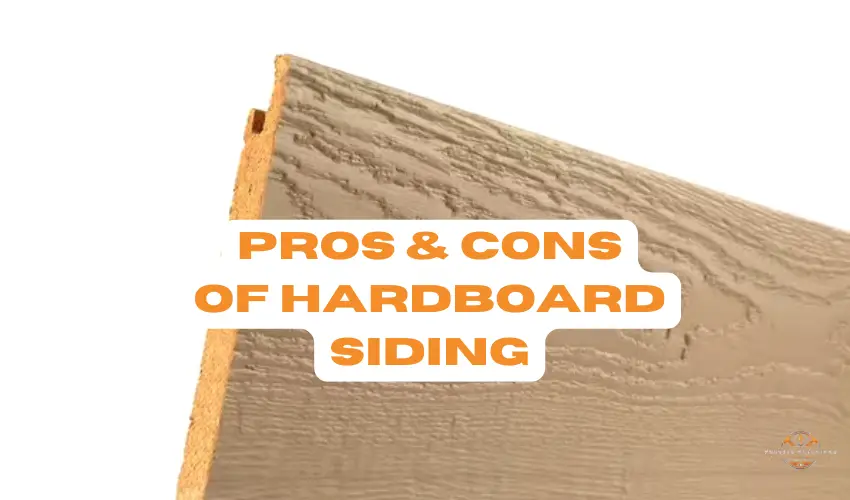
Hardboard siding today isn’t the same material many homeowners remember from older neighborhoods. Modern versions are engineered wood products, made by compressing wood fibers, resins, and protective coatings under high pressure. The result is a siding board that looks like real painted wood but is lighter and more uniform than lumber.
It sits in the siding world between vinyl siding (lightweight and low-maintenance) and fiber-cement siding (heavy, durable, and more costly). Hardboard offers a traditional aesthetic without the density of cement siding or the synthetic feel of polyvinyl chloride panels.
The important thing to know:
- Modern engineered hardboard performs best when it’s sealed correctly and maintained consistently.
- Installation and upkeep matter more here than with some other materials.
Hardboard siding, often referred to as Masonite or pressed wood siding, is an older exterior siding material made from compressed wood fibers and binders. While it was once a popular and affordable alternative to traditional wood siding, hardboard can be vulnerable to moisture damage over time, which is what we will cover in this article, along with the pros of hardboard siding!
The Pros of Hardboard Siding
Hardboard siding earns fans because it delivers the classic wood-siding aesthetic without the cost of true wood or the sometimes plastic-like appearance of polyvinyl chloride and vinyl siding. When the homeowner understands the maintenance schedule and climate conditions, it can be a strong visual and financial choice.
Below are the standout benefits.
Attractive Wood-Like Appearance
Hardboard siding does one thing extremely well: it looks like real wood siding. The surface texture, shadow profile, and paint finish create an authentic exterior character that vinyl siding often struggles to match.
This makes it a popular choice for:
- Craftsman homes
- Farmhouse styles
- Historic neighborhoods
- Modern homes with warm, natural exteriors
It gives the home warmth and visual weight, rather than a shiny or molded feel.
Smooth or Textured Style Options
Hardboard siding comes in multiple finishes:
- Smooth for modern and minimalist designs
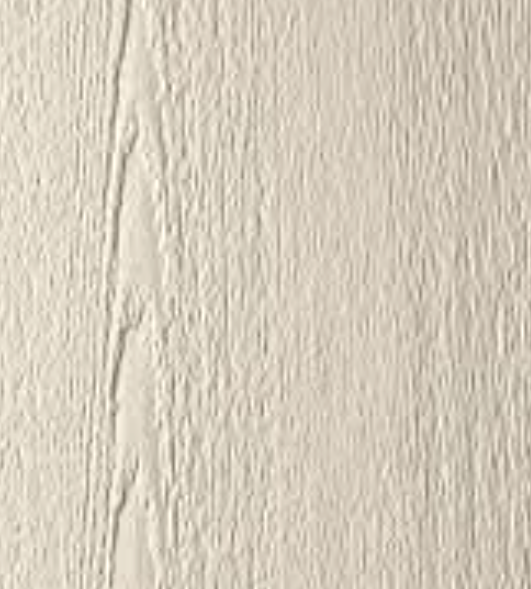
- Textured woodgrain for a classic or cottage aesthetic
Because the base material is uniform, the texture is consistent across the entire home. It doesn’t carry the repeating pattern that some vinyl siding panels show up close. This helps the exterior look intentional and coherent, especially when viewed from the street.
It also pairs well with:
- Brick or stone foundations
- Board-and-batten accents
- Modern black or bronze window trim
Paint-Friendly Surface
One of the strongest advantages of hardboard siding is how well it takes paint.
Benefits:
- You can match or change colors anytime without replacing panels.
- Repainting refreshes curb appeal dramatically.
- Paint ties the siding and trim design together.
Unlike vinyl siding, which can warp in the heat and under dark paint, hardboard maintains its shape and finish. It provides homeowners more freedom to use:
- Deep greens
- Earth tones
- Charcoal blacks
- Muted coastal palettes
This makes it a favorite among homeowners who enjoy refining their home’s look over time.
Lower Upfront Cost Compared to Fiber Cement and Real Wood
Hardboard siding is generally less expensive to purchase and install than fiber-cement siding or natural wood siding. This makes it attractive for:
- Full exterior remodels
- New builds on a budget
- House flips where curb appeal matters
- Rentals where long-term replacement cost is less of a priority
It offers a high visual upgrade without committing to the price of cement siding or the regular, intense upkeep of real wood boards.
However, homeowners should factor in repainting and periodic sealing into the lifetime cost.
Renewable Wood-Based Material
Hardboard siding is fundamentally a wood product, not a plastic or cement composite. That appeals to homeowners who want:
- A natural-feeling exterior finish
- Lower embodied energy materials
- An alternative to synthetic siding, like polyvinyl chloride
Because the panels are pressed from wood fibers, the material is renewable. However, it’s important to note that wood-based sidings can be more vulnerable to moisture and pest intrusion if neglected.
The key is:
- Proper installation
- Sealed edges
- Routine repainting to keep water out
When maintained correctly, it can provide a long-lasting, sustainable aesthetic.
The Cons of Hardboard Siding
Hardboard siding can look great, but it’s not a low-maintenance material. To perform well, it needs sealing, repainting, and protection from moisture. If any of those steps slip, the siding shows wear faster than fiber-cement or vinyl siding does. These downsides don’t mean it’s a bad choice; they just mean it’s a hands-on one.
Vulnerable to Moisture if Not Sealed Properly
Hardboard siding is composed of compressed wood fibers. When those fibers are exposed to water, they swell. Swelling leads to edge softness, bubbling paint, and eventually board breakdown. This can happen even in the dry climate of Boise, Star, Middleton, and other areas in the Treasure Valley.
Where this starts:
- Cut ends that aren’t sealed during installation
- Bottom edges that sit too close to the grade or decks
- Paint that has worn thin or peeled back
In wet or coastal regions, this process accelerates. Moisture doesn’t have to be dramatic. Even morning dew + shade can cause slow damage over the years.
Requires Regular Maintenance and Repainting
Hardboard siding is not a “put it up and forget it” exterior. Homeowners should expect:
- Repainting every 5–10 years
- Caulking joints regularly
- Checking bottom edges for weather wear
Compare that to:
- Vinyl siding: rarely needs repainting
- Fiber cement siding: holds paint 2–3x longer
- Cement siding is naturally water-resistant
Impact Damage Can Spread
Because hardboard siding is fiber-based, a small chip or dent can open a path for water. And once water gets inside the board, the damage spreads out sideways. Just as a plumbing emergency requires your attention, damaged hardboard requires quicker attention than, let’s say, vinyl siding.
This means:
- One damaged spot can eventually affect an entire board face.
- Replacing a single board often requires removing surrounding pieces.
- Repairs can become larger than expected.
In neighborhoods with kids playing ball outside, lawn equipment, or high-traffic patios, this matters.
Requires Correct Installation to Perform Well
Hardboard siding’s success depends on how well the installer details the edges, joints, and flashing. The material needs:
- Proper clearances from soil and landscaping
- Full sealing at cut ends
- Even spacing for expansion
- Reliable drip edges and moisture barriers
If any of these steps are skipped or rushed, the siding ages fast. This is where some of the old hardboard siding’s reputation came from. The material wasn’t always the problem; the installation was.
Older Hardboard Versions Had a Bad Track Record
Older versions of hardboard siding (especially from the 1980s–1990s) sometimes failed early in humid climates. That history still makes some homeowners nervous.
Modern engineered wood siding has:
- Better resins
- Better coatings
- Better factory sealing
But it still is wood, and wood-based materials require sealing and consistent upkeep.
If a homeowner wants zero maintenance, they are usually happier with:
- Fiber cement siding (like James Hardie)
- Vinyl siding
- Cement siding panels
Pest and Fungal Exposure Risks
Because the material contains wood fibers, it is more appealing to pests than cement siding or polyvinyl chloride-based siding. Termites don’t usually eat the board, but they can exploit softened or swollen areas. Likewise, mildew and fungus thrive in damp wood-based materials.
This matters most in:
- Shaded lots
- Heavily wooded properties
- Coastal humidity zones
How Hardboard Compares to Other Popular Siding Materials
Hardboard siding sits in the middle of the siding world. It has more warmth and character than vinyl, more affordability than fiber cement siding, and more consistency than real wood. But it also needs more attention than some of the “low-maintenance” options.
Here is a clear comparison that makes the differences easy to understand:
| Material | Look & Style | Durability | Maintenance | Cost Range | Best Fit |
|---|---|---|---|---|---|
| Hardboard Siding | Natural, warm, painted finish | Good when well-sealed | Repaint every 5–7 years, re-caulk joints | Moderate | Homeowners who value appearance and are willing to maintain it |
| Vinyl Siding | Can look flat or plastic-like up close | Good in dry climates | Very low upkeep, no repainting | Lowest | Homeowners who want minimal maintenance and lower cost |
| Fiber Cement Siding (ex: James Hardie) | Strong wood-like realism with crisp edges | Excellent in wet climates | Repaint every 10–12 years | Moderate to High | Homes needing durability and long-term protection |
| Real Wood Lap Siding | Rich, authentic wood grain | Can last long with perfect care | High maintenance, frequent staining/painting | Highest over time | Historic homes or homeowners who prioritize natural materials |
| Engineered Polymer Siding | High-end look, strong color profile | Excellent resistance to weather | Very low upkeep | High | Modern builds or homeowners wanting a luxury look without frequent maintenance |
Hardboard vs Vinyl
Vinyl siding (including polyvinyl chloride products) is known for being hands-off. It does not require repainting, and it doesn’t absorb moisture. However, it can look flat or shiny, especially in harsh sunlight.
Hardboard siding wins on visual warmth and refined curb appeal. Vinyl wins on maintenance simplicity.
Choose Hardboard if:
- You want a painted, custom look
- Architectural character matters
Choose Vinyl if:
- You want low cost and low maintenance
- You don’t mind a simpler exterior appearance
Hardboard vs Fiber Cement (e.g., James Hardie Boards)
Fiber cement siding is more resistant to moisture, fire, pests, and humidity. It holds shape in climates where hardboard needs extra care. It also allows for deep-textured, realistic wood-grain patterns.
But fiber cement siding is:
- Heavier
- More expensive to install
- Harder to cut and handle
Hardboard is easier to work with and costs less upfront. Fiber cement lasts longer with fewer repaint cycles and lower long-term risk of swelling or rot.
Choose Hardboard if:
- The upfront budget is limited
- You’re comfortable repainting periodically
Choose Fiber Cement if:
- You want a long lifespan with less maintenance
- You live in a rainy or humid region
Hardboard vs Real Wood Lap Siding
Real wood is the true classic. Deep grain. Natural aging. Architectural authenticity.
But real wood also requires:
- Frequent sealing
- Vigilant pest control
- Consistent maintenance to prevent warping or rot
Hardboard gives you the look of wood but avoids:
- Irregular board sizes
- Natural knots
- Rapid weathering
Choose Real Wood if:
- You love the texture and are ready for the upkeep
- You are restoring a historic property
Choose Hardboard if:
- You want the wood look but need a simpler upkeep schedule
Hardboard vs Engineered Polymer Siding
Engineered polymer siding is a premium category. It’s built to mimic cedar or wood grain while being resistant to:
- Moisture
- Heat
- Pests
- Color fading
It holds its finish for decades with very little work. But it is one of the more expensive siding materials on the market.
Hardboard gives a similar hand-painted look, but it needs repainting and sealing over time.
Choose Engineered Polymer if:
- You plan to stay in your home long-term
- You want upscale aesthetics with minimal yearly maintenance
Choose Hardboard if:
- You want the look now, at a lower starting cost
- You don’t mind ongoing upkeep
When Hardboard Is a Good Choice
Hardboard siding works best when the homeowner wants the warm, painted-wood look and is comfortable with periodic maintenance.
Good fit when:
- The home has good roof overhangs that protect the siding from constant moisture.
- You want a custom exterior color and may repaint in the future.
- Appearance and architectural style are priorities.
- The climate is moderate, or the siding will dry quickly between rains.
- You plan to inspect and reseal joints every few years.
When You Should Consider Other Siding Materials
If keeping up with routine maintenance does not fit your schedule, or the property stays damp for long periods, another siding type will be more reliable.
Consider alternatives when:
- The home sits in heavy shade where siding stays wet longer.
- You want very low maintenance year to year.
- The climate or location sees frequent humidity, rain, or coastal spray.
- You want siding that you never need to repaint.
- You prefer maximum durability over appearance flexibility.
In these situations, fiber cement siding or engineered polymer siding often provides a longer-lasting, lower-maintenance solution.
Verdict on Hardboard Pros and Cons
If you want a traditional look with a reasonable upfront cost, hardboard siding fits well. If you value low upkeep and long-term durability above all else, lean toward fiber cement or engineered polymer. Choose the one that fits how you actually live, not just how the house looks on day one.
Here at Precise Exteriors, we almost always tell our clients that if they want to save money, go with vinyl siding. If they want a long-term, durable solution, go with a cement fiber siding option like Hardie Board or a similar product. Hardboard sits in the middle, and while the technology has come a very long way, it isn’t worth the upfront costs and longer-term durability.